Grab your electric van grant while you can
One benefit that’s managed to avoid the chop relates to electric vehicles. What’s available and how might it help if you’re in the market for a new commercial vehicle?
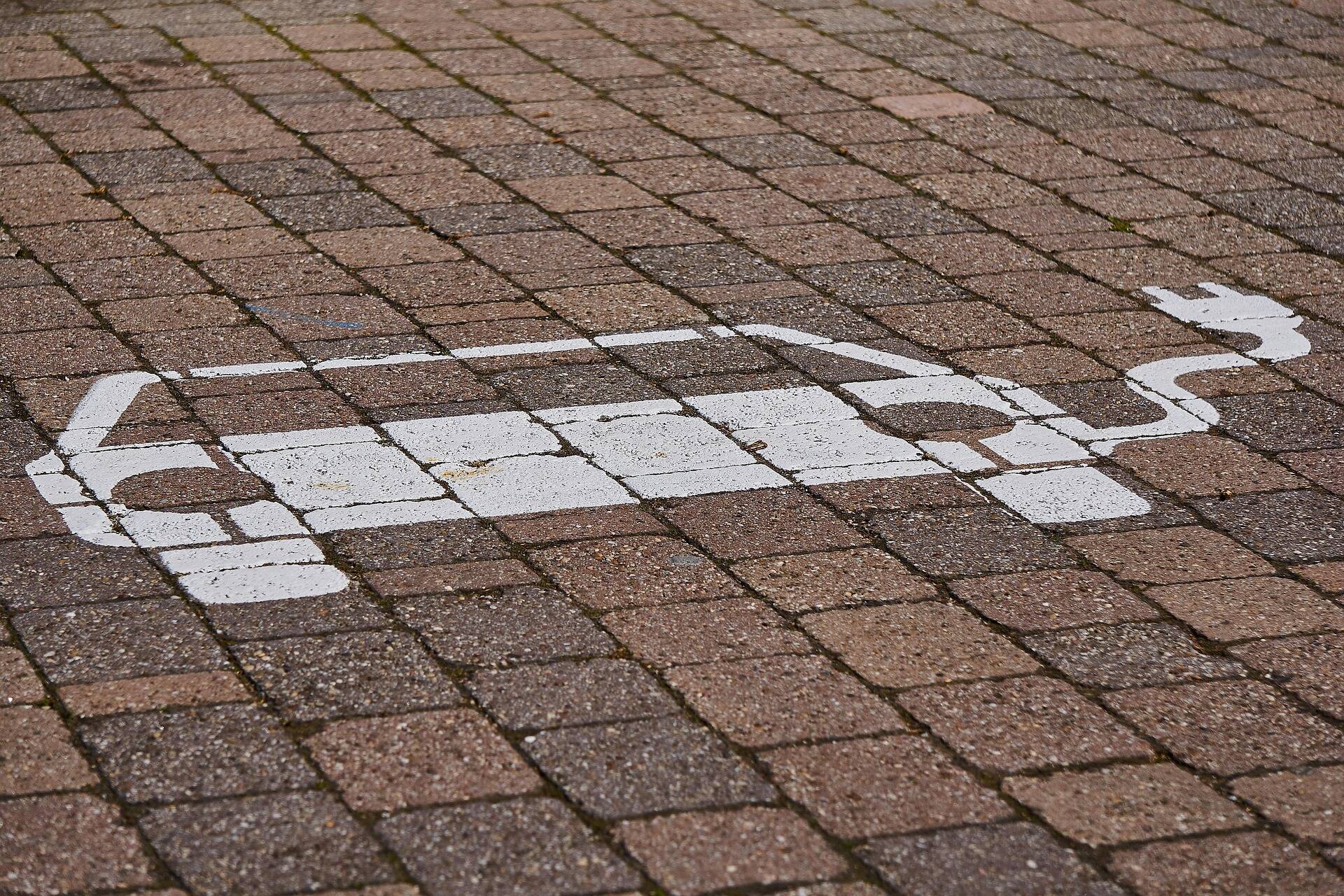
The government has announced that £120m is available to drivers, cabbies and businesses who want to make the switch to electric vehicles. The money comes through the “plug-in van grant”, which has been extended for another twelve months to April 2026. Under the 2024/2025 electric van grant rules, the maximum saving for 3.5-tonne electric vans is £5,000, while the maximum reduction for smaller vans up to 2.5-tonnes is £2,500. This will now be extended to 2025/26. Heavier electric vans such as those with 4.25-tonne ratings and N categorisation continue to qualify for the small truck grant, which offers an incentive of up to £16,000, capped at 20% of the purchase price.
To qualify for the plug-in grant the electrified van must now meet the following standards: 60 miles or more of zero emissions driving range; less than 50g/km CO2 emissions.The plug-in taxi grant, due to run out in April, has not been extended. However, grants of up to £4,000 for the purchase of zero emission cabs are being made available. This is less than the £6,000 available until March 31, 2025. A grant of £500 is available for those purchasing new electric motorbikes.
Related Topics
-
MTD taxpayers warned to check two accounts for tax bills
Taxpayers who joined Making Tax Digital (MTD) for Income Tax in April 2026 are being warned that their tax payment information may be split between two separate HMRC accounts. With the January Self Assessment deadline approaching, could you be overlooking part of your tax bill?
-
Extra reporting requirements for close companies scrapped
Government plans for rigorous reporting of transactions between close companies and their participators have been binned. What's changed?
-
Company buying back shares? Watch out for forthcoming changes
Company owners arranging a retirement, a family succession or a shareholder exit may need to rethink how shares are bought back. The Budget confirms that the government intends to tighten the rules distinguishing capital gains from dividend income, potentially making some buybacks considerably more expensive. How might an ordinary business exit be caught?