HMRC shuts down repayment agent
HMRC has previously announced an increase in protective measures for individuals dealing with so-called “repayment agents”. Now, one such agent has been ordered to cease trading. What’s the full story, and what do you need to do if you have a claim in progress?
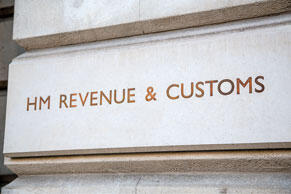
Repayment agent ads have become a common sight in recent years, particularly on social media. You’ll recognise them by their style, usually along the lines of “Do you wear a uniform to work? You could be owed £1,000s from HMRC…” or similar. While many such agents are genuine, the industry has come in for criticism due to practices that are, at best, questionable, e.g. requiring refunds to be made directly to the agent’s account.
More seriously, HMRC is concerned that some of these “firms” are really just a front for money laundering. All tax agents (and other professionals, including accountants and solicitors) must comply with anti-money laundering regulations, including being registered with a supervisory authority. HMRC has found one agent, Tax Credits Limited, to have seriously breached these requirements and ordered the company to cease trading as a repayment agent. It's estimated that around 11,000 individuals had commenced refund claims via the company. HMRC will now write to these individuals to update them. The refunds will be automatically made by HMRC, so you don’t need to do anything if you are one of those affected.
Related Topics
-
Why is HMRC checking PVA more often?
Your business imports goods and accounts for VAT by applying postponed VAT accounting (PVA) on its returns. HMRC is scrutinising returns and issuing large assessments in some cases. What can you do to reduce the risk of getting it wrong?
-
HMRC text or scam? Check before you act
HMRC is contacting some taxpayers by text this week about overdue Self Assessment liabilities and is also sending updates about VAT registration applications. At the same time, it has expanded its guidance on spotting fake HMRC messages on social media. How can you tell whether a message is genuine?
-
Electronic VAT return and payment due