HMRC issues new fraud warning
HMRC is warning customers to be especially vigilant to fraudsters at this time of year due to the busy tax return season. What do you need to know?
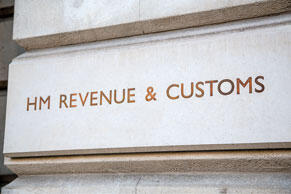
Fraud involving bogus contact purporting to be from HMRC is on the increase. Its latest press release, issued this week, reports that in the year to August 2022, over 180,000 cases of suspicious contact were referred to it. Nearly half of these were scams involving promises of fake tax refunds, designed to trick you into disclosing your bank details. In recent years, fraudsters are getting more brazen, often calling from numbers that genuinely look like HMRC. Upon answering (or checking a voicemail), you may be told that you need to urgently pay money or you will be arrested.
HMRC’s Director general for Customer Services said: “Never let yourself be rushed. If someone contacts you saying they’re from HMRC, wanting you to urgently transfer money or give personal information, be on your guard. HMRC will never ring up threatening arrest. Only criminals do that. Tax scams come in many forms. Some threaten immediate arrest for tax evasion, others offer a rebate. Contacts like these should set alarm bells ringing, so take your time and check HMRC scams advice on GOV.UK.”
Related Topics
-
Why is HMRC checking PVA more often?
Your business imports goods and accounts for VAT by applying postponed VAT accounting (PVA) on its returns. HMRC is scrutinising returns and issuing large assessments in some cases. What can you do to reduce the risk of getting it wrong?
-
HMRC text or scam? Check before you act
HMRC is contacting some taxpayers by text this week about overdue Self Assessment liabilities and is also sending updates about VAT registration applications. At the same time, it has expanded its guidance on spotting fake HMRC messages on social media. How can you tell whether a message is genuine?
-
Electronic VAT return and payment due